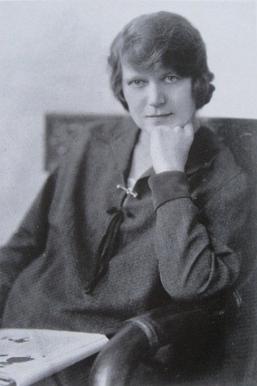
More Than Just William: Reclaiming a Literary Legacy
For generations, the name Richmal Crompton has been synonymous with the mischievous antics of William Brown, the eternal 11-year-old schoolboy whose adventures have captivated readers since 1922. Indeed, to many, she is simply theJust William Author
, a beloved figure of children's literature whose tales of youthful rebellion and innocent mischief have become a cultural touchstone. However, as contemporary literary scholarship, notably Jane McVeigh's illuminating biography *Richmal Crompton, Author of Just William: A Literary Life*, emphatically argues, pigeonholing Crompton solely within the realm of juvenile fiction does a profound disservice to her extensive and remarkably diverse literary career. This article aims to embark on a journey beyond the familiar brown paper bag and the formidable Outlaws, to explore the multifaceted genius of Richmal Crompton. We will delve into her identity as a scholar, a disabled writer, a social commentator, and a pioneer of crossover fiction, ultimately asserting her rightful place among the most significant 20th-century women writers. It's time to peel back the layers of her persona and appreciate the depth and breadth of a writer whose impact stretches far beyond the escapades of a boy in short trousers.The Unseen Depths: Crompton's Multifaceted Literary Persona
Richmal Crompton's literary output was far more complex and varied than her most famous character suggests. Her personal background and experiences profoundly shaped her writing, imbuing her work with layers of meaning and insight often overlooked when viewed through the narrow lens of children's literature.Beyond the Mischief: A Scholar's Pen
Before she became the iconicJust William Author
, Richmal Crompton was a Classics scholar. She possessed a deep and abiding knowledge of Classical Greek and Latin literature and languages, a rare academic achievement for a woman of her era. This rigorous intellectual foundation, cultivated during her time at Royal Holloway College, University of London, provided her with a unique perspective on storytelling, character development, and the human condition. While William’s escapades might seem far removed from the epics of Homer or the tragedies of Sophocles, this classical training likely honed her narrative precision, her understanding of comedic timing, and her ability to craft vivid, memorable characters that resonate across time. It speaks volumes about the intellectual calibre of a writer whose work is too often simplified.A Disabled Writer's Unique Lens
Another crucial, yet often underappreciated, aspect of Richmal Crompton's identity was her life as a disabled writer. She contracted poliomyelitis in 1923, which left her with significant physical challenges. This personal experience undoubtedly informed her perceptions of resilience, vulnerability, and the ways individuals navigate a world not always designed for them. It is plausible that her insights into the inner lives of characters, their struggles, and their triumphs were deepened by her own lived experience. Disability, as both a personal reality and a narrative theme, features subtly and sometimes overtly in her broader body of work, offering a nuanced perspective that was rare for its time. To explore this facet further, delve into Richmal Crompton: A Disabled Woman Writer's Multifaceted Literary Life.Tackling Taboos: Domestic Violence and Social Commentary
While William offered lighthearted escapism, Crompton's other fiction, particularly her adult novels and short stories, delved into far more serious and often uncomfortable themes. She was unafraid to tackle societal issues such as domestic violence and disability, weaving them into narratives that challenged conventional norms and offered sharp social commentary. This willingness to confront the darker realities of human experience stands in stark contrast to her public persona as a purveyor of innocence and fun. Her exploration of these complex topics demonstrates her courage as a writer and her keen observational skills, placing her firmly among authors who used their craft to comment on the world around them, often ahead of their time in addressing such sensitive subjects.Crossover Fiction Pioneer: Breaking Genre Boundaries
Richmal Crompton’s success with the William stories laid the groundwork for what we now recognize as "crossover fiction" – literature that appeals strongly to both child and adult audiences. The early *Just William* (1922) and *More William* (1922) collections, which cemented her reputation as theJust William Author
Placing Richmal Crompton Among 20th-Century Women Writers
More than a century after her first William book, it is imperative to re-evaluate Richmal Crompton’s standing and firmly place her among other esteemed 20th-century women writers. Authors like Virginia Woolf, Agatha Christie, and Enid Blyton occupy distinct, yet celebrated, niches. Crompton, however, straddles genres and defies easy classification, a fact that has historically worked against her in the literary canon. Her literary output was substantial, comprising not only the immensely popular William series (which ran to 38 books) but also 41 adult novels and numerous short stories. Many of these adult works are characterized by their astute observations of human nature, their subtle satire of social conventions, and their sympathetic portrayal of individuals grappling with life's complexities. By exploring themes of independence, gender roles, societal expectations, and personal resilience, often with a dry wit and profound insight, Crompton engaged with issues central to the lives of 20th-century women. The oversight of her non-William fiction represents a broader trend of how women writers were often categorized and limited by their most commercially successful works, or by prevailing gender expectations about what constituted "serious" literature. Jane McVeigh's biography serves as a crucial intervention, arguing forcefully for a comprehensive appraisal of all her writing. By doing so, it encourages readers and scholars alike to appreciate her impact on both children’s literature and the wider literary landscape. For readers eager to discover more than just the iconicJust William Author
, a rewarding journey awaits. Start by exploring literary critics' recommendations for her adult novels, many of which are now being republished or are available through libraries. Don't be afraid to venture beyond the familiar and uncover a writer of surprising depth and breadth. For specific guidance on her other works, consider reading Richmal Crompton: Beyond Just William - Unearthing Her Adult Fiction.Conclusion
Richmal Crompton was undeniably the belovedJust William Author
, a title that brought her widespread fame and enduring affection. Yet, to allow this single, albeit magnificent, achievement to define her entire legacy is to miss the richness of a multifaceted literary life. As a Classics scholar, a disabled woman writing with unique perspective, and a sharp social commentator unafraid to tackle challenging themes, Crompton transcended the boundaries of children's literature. Her pioneering work in crossover fiction and her significant contributions to adult novels and short stories firmly establish her as a formidable presence among 20th-century women writers. It is time for a comprehensive reclamation of her literary heritage, recognizing Richmal Crompton not just as the creator of an eternal schoolboy, but as an author of profound depth, intelligence, and enduring relevance whose complete oeuvre deserves to be celebrated and explored.